
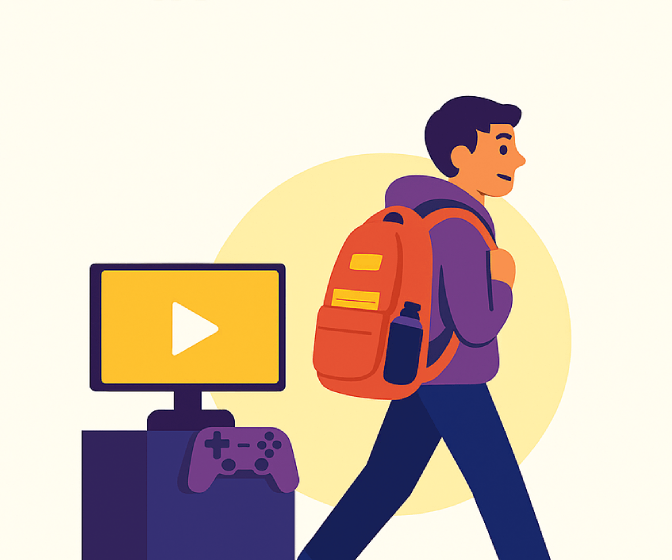
Gamers are often underestimated. To outsiders, hours spent behind a screen might look like “just playing.” But anyone who has spent time grinding through a difficult boss, coordinating with teammates in a high-stakes match, or optimizing their builds for maximum efficiency knows the truth: gaming is training.
The skills we sharpen while playing—patience, communication, strategy, persistence—don’t disappear when we log off. They’re quietly building strengths that can shape how we study, work, and grow in everyday life. The secret is learning to recognize these abilities and apply them outside the digital world.
Let’s break it down.
Core Skills Gamers Already Have
Strategic Thinking
Every gamer has faced the choice between rushing in or waiting for the right opportunity. Whether you’re plotting your city’s growth in Civilization, setting up ambushes in Valorant, or managing resources in Starcraft, strategy is second nature. Gamers learn how to plan moves ahead, predict outcomes, and weigh risks against rewards.
In real life: That translates into better long-term planning—whether you’re organizing a study schedule, budgeting your expenses, or mapping out career goals.
Teamwork & Communication
If you’ve ever tried to win a raid without voice chat, you know the chaos. From League of Legends to Overwatch, multiplayer games reward players who can coordinate, delegate roles, and communicate clearly under pressure. You already know how to listen, adapt, and keep everyone moving toward the objective.
In real life: This mirrors how successful teams function in school projects, sports, or the workplace. Clear communication and role distribution aren’t just “gamer skills”—they’re professional gold.
Persistence & Grit
Ask any gamer about their proudest achievement, and chances are it didn’t come easy. Maybe it was beating Elden Ring’s toughest boss or grinding for weeks to unlock a rare item. Games teach us that failure isn’t final—it’s feedback. Every respawn, every retry, every near miss is proof that persistence pays off.
In real life: This grit is the difference between giving up after a bad grade and studying harder, or bouncing back after rejection with new strategies.
Problem-Solving Under Pressure
Picture this: you’re the last player alive, one enemy left, seconds on the clock. Your heart’s racing, hands are sweaty, and every choice matters. That kind of quick, creative thinking under stress is common in gaming—and rare in everyday life.
In real life: Employers, teachers, and leaders love people who can stay calm, think critically, and improvise when the pressure’s on. That’s a clutch skill you’ve been training for years without realizing.
Adaptability
Games are never static. Patches drop, metas shift, new mechanics are introduced. The players who thrive are the ones who adapt—who aren’t afraid to re-learn, experiment, and pivot strategies when the old ones stop working.
In real life: Life works the same way. Changing careers, moving cities, or adjusting to new tech all demand adaptability—the same resilience you’ve built through endless game updates.
How to Apply Them in Work and School
Knowing you have these skills is one thing. Using them intentionally is the real “level up.” Here’s how:
- Strategic Thinking → Planning Ahead
Apply game logic to daily life. Think of studying like resource management: allocate time to your “main quest” (exams, projects) and sprinkle in “side quests” (hobbies, exercise) to keep balance. - Teamwork → Group Projects and Jobs
Treat your study group or coworkers like your squad. Define roles, communicate goals, and use feedback loops just like you would in a raid. - Persistence → Handling Failure
Rejections and setbacks sting, but approach them like wiping on a dungeon boss. Adjust your strategy and try again—progress is incremental. - Problem-Solving → Critical Thinking
Use the same creative thinking you use in-game to troubleshoot real-world problems. Can’t solve a math problem? Break it into smaller mechanics, like you’d break down a boss’s phases. - Adaptability → Staying Relevant
Just as you stay updated with the latest patch notes, keep your skills sharp by learning new tools, tech, or study methods. Change becomes less scary when you treat it like a new meta.
Setting Real-Life Quests Based on Your Playstyle
Gamers approach challenges differently depending on how they like to play. Your playstyle can be a blueprint for how you tackle real-world goals:
The Achievement Hunter
You live for 100% completion. Translate that into real life by setting small, trackable goals—like learning a new skill, hitting the gym, or saving money. Checking boxes will feel just as satisfying as finishing a quest log.
The Strategist
You love complex systems and long-term victories. In real life, build detailed roadmaps for your ambitions, breaking them into milestones just like game campaigns.
The Social Player
For you, it’s all about the squad. In life, focus on building networks, joining communities, and seeking collaborative projects. Your energy thrives in a team setting.
The Explorer
Curiosity drives you. If that’s your style, real life is your sandbox. Try new hobbies, travel when possible, or explore different career paths. Discovery is your path to growth.
In the end…
Gaming isn’t wasted time—it’s preparation. Every clutch win, every defeat, every new patch has been sharpening you for challenges beyond the screen. The key is recognizing your in-game strengths and reframing them as tools for everyday progress.
Next time someone tells you gaming has no “real-world” value, remember: you’ve been training. The grind, the teamwork, the strategies—they’re all proof that playtime builds progress.
And the ultimate game? Life itself.
Got more you want to know? Check out Reset Cooldowns: How to Recover from Mental Fatigue After Long Gaming Sessions
Leave a Reply