
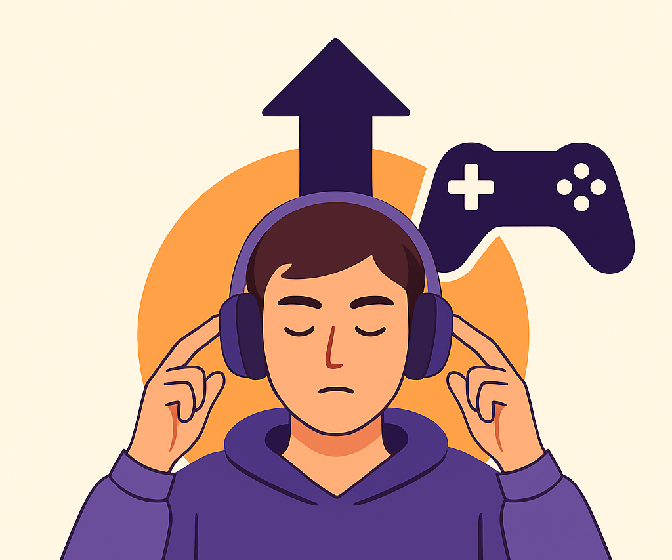
We’ve all been there: you log off after a rough day, and instead of feeling relaxed, your brain keeps replaying the frustrations of work, school, or even a losing streak in your favorite game. But just like hitting respawn in-game gives you another chance, you can also reset your focus in real life. The good news is that the skills and mindsets cultivated through gaming can be powerful tools for navigating real-world challenges.
Here’s how gamers can bounce back and regain clarity after a tough day, backed by a little science.
Hit Pause Before You Respawn
When frustration builds up, the worst thing you can do is push forward on tilt. In gaming, this leads to poor decisions and further losses. In life, it leads to burnout. Step away—literally. Close the game, take a short walk, drink water, or do a quick stretch. Think of it as the loading screen for your brain before respawning into the next challenge.
This isn’t just a metaphor; it’s a scientifically supported strategy for improving focus and productivity. Research from the American Psychological Association has shown that taking regular breaks, even short “microbreaks,” can improve our moods, overall well-being, and performance capacity. According to a study mentioned in the APA’s Monitor on Psychology, prolonged work on a task can deplete our “mental fuel.” Taking a break, even for five minutes, can significantly improve attention and performance. So, that quick step away from the screen is doing more than just calming you down; it’s actively restoring your cognitive resources.
Use a Quick “Mental Reset” Ritual
Gamers thrive on rituals—think about how you prep before a raid or set your loadout before a match. These aren’t just habits; they’re psychological tools that prepare you for the task ahead. Apply the same logic to your real-life reset.
A 2021 article from Wellnite, a mental health service, highlights that “small rituals, or simple, repeatable actions performed intentionally, can offer a profound sense of security.” These rituals can help “regulate emotions, enhance mental clarity, and improve overall well-being.”
Here are some quick mental reset rituals you can try:
- Deep breathing exercises: Inhale for 4 seconds, hold for 4, and exhale for 6. This simple act can help calm your nervous system.
- Music reset: Switch to a pump-up playlist or some calm lo-fi beats. Music has a powerful and immediate effect on our mood.
- Mini-task: Tidy your desk, wash your face, or journal a single thought. Completing a small, tangible task can provide a sense of accomplishment and control.
These small resets signal to your brain: new round, fresh start.
Reframe Losses as XP
In gaming, failure isn’t the end—it’s data. You learn boss patterns, new strats, or weaknesses in your playstyle. Every “game over” screen is an opportunity to learn and improve. In real life, it’s the same. This concept is known in psychology as cognitive reframing.
Cognitive reframing is a technique that involves changing your perspective on a situation to change how you feel about it. Instead of viewing a bad day as a total loss, reframe it as experience points (XP). Ask yourself:
- What did this situation teach me?
- What adjustment can I make tomorrow?
- What skill did I practice, even if I didn’t succeed?
This mindset keeps you leveling up instead of rage-quitting on life. By consciously choosing to view challenges as opportunities for growth, you can build resilience and a more positive outlook.
Switch to a “Casual Mode” Activity
After a stressful day, you don’t need to jump into a “hardcore ranked mode” activity. Instead, switch to activities that recharge you rather than drain you. In gaming terms, toggle from “competitive ranked” to “chill mode.”
Research has shown that “casual games” can be effective stress relievers. A study cited by Verywell Mind found that casual video games can lead to significant reductions in stress, with effects comparable to mindfulness meditation. The study noted that casual games are effective because they “can offer a quick break, a challenging-but-not-stressful experience, and a change in focus.”
Here are some “casual mode” activities to try:
- Cozy, story-driven games: Immerse yourself in a low-stakes narrative.
- Watching a stream or gaming YouTube: Let someone else do the “work” while you relax and enjoy the content.
- Light creative tasks: Engage in drawing, writing, or modding. These activities can be meditative and rewarding.
Set Tomorrow’s Quest
One of the best ways to reset is to give your brain closure on the current day and a clear objective for the next. In gaming, a new quest provides direction and purpose. You can do the same for your real life.
Before you completely sign off for the day, write down one simple, realistic goal for tomorrow. Whether it’s finishing a small task at work, drinking more water, or hitting a gym session, this acts like setting a quest marker for the next day. This simple act can reduce anxiety about the future and provide a sense of control.
Finally
Bad days happen—in games and in life. But just as every respawn gives you another chance, you can always reset your focus. By pausing, resetting with rituals, reframing losses, switching to casual mode, and setting tomorrow’s quest, you’ll be back in the game stronger than before.
Next time you’re stuck in a slump, remember: you’re just one respawn away from focus.
There’s always more we can do to stay mindful and get better, for example Reset Cooldowns: How to Recover from Mental Fatigue After Long Gaming Sessions!
Leave a Reply